
 Italiano
 Español
 Türkçe
 عربي
عربي  日本語
日本語 русский
  Français
 Deutsch
 Việt Nam
 Português
 한국어
한국어 简体中文
简体中文 Čeština
 ไทย
ไทย Eesti
Eesti Gaeilgenah Éireann
 Bai Miaowen
 íslenska
 Cymraeg
 Български
 اردو
اردو Polski
 hrvatski
 українська
 bosanski
 فارسی
فارسی Lietuvių
 Latviešu
 עברית
עברית România limbi
 Ελληνικά
 dansk
dansk magyar
 Norsk
Norsk suomi
suomi Nederlands
 Svenska
 slovenčina
 slovenščina
 हिंदी
हिंदी Indonesia
 Melayu
 Malti
Malti Kreyòl Ayisyen
 Català
 বাংলা
বাংলা Srbija jezik (latinica)
 O'zbek
As a prominent sodium nickel supplier, I've witnessed firsthand the growing concerns about the sustainable management of waste materials. Sodium nickel, a crucial component in many energy - storage and industrial applications, is not only expensive to produce but also raises environmental risks when discarded inappropriately. Recycling sodium nickel from waste materials is not just a solution to these concerns; it is a responsibility to our planet and a strategic move for cost - effective resource management.
The Importance of Recycling Sodium Nickel
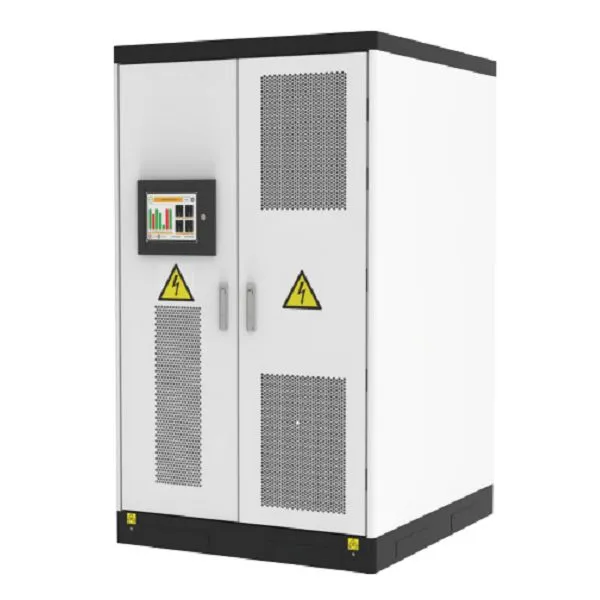
In recent years, the demand for sodium nickel has soared, mainly due to its excellent performance in battery technologies. Products like the Durathon Energy system ES15kWh, Durathon Battery E303, and Durathon Energy system ES200kWh rely on sodium nickel for their efficient energy storage capabilities. However, when these products reach the end of their life cycles, they pose significant environmental challenges if not recycled.
Improper disposal of sodium - nickel - containing waste can lead to soil and water contamination. The chemical compounds in these materials may leach into the environment, harming ecosystems and potentially entering the food chain. Moreover, as a non - renewable resource, the extraction of new sodium nickel from mines is energy - intensive and environmentally damaging. Recycling offers a way to reduce these negative impacts, conserve natural resources, and lower production costs.
Sources of Sodium Nickel in Waste Materials
There are several common sources of sodium nickel in waste materials. One of the primary sources is spent batteries. Sodium - nickel batteries, known for their high energy density and long cycle life, are widely used in various applications, from electric vehicles to grid - scale energy storage. When these batteries degrade over time and can no longer hold a charge effectively, they are discarded.
Another source is industrial waste from manufacturing processes that use sodium nickel. For example, in the production of certain types of catalysts or electronic components, excess or defective materials containing sodium nickel are generated. These waste materials can be a valuable resource if properly recycled.
Recycling Methods
Physical Separation
The first step in recycling sodium nickel from waste materials often involves physical separation techniques. This can include processes such as crushing, grinding, and sieving. By crushing the waste materials into smaller pieces, it becomes easier to separate the sodium - nickel - containing components from other materials. For example, in spent batteries, the outer casing and other non - active materials can be removed through mechanical means.

Chemical Leaching
After physical separation, chemical leaching is commonly used to extract sodium nickel from the waste. A suitable leaching agent, such as an acid or a complexing agent, is used to dissolve the sodium nickel compounds. This process allows the sodium nickel to be transferred from the solid waste into a liquid solution. The choice of leaching agent depends on the nature of the waste material and the specific sodium - nickel compounds present. For instance, sulfuric acid is often used for leaching sodium nickel from spent batteries because it can effectively dissolve the nickel and sodium salts.
Precipitation and Purification
Once sodium nickel has been leached into a liquid solution, precipitation methods are employed to recover it. By adding appropriate chemicals, the sodium nickel ions in the solution can be converted into insoluble compounds, which can then be separated from the solution through filtration or sedimentation. After precipitation, further purification steps may be necessary to obtain a high - purity sodium nickel product. This can involve processes such as ion exchange, solvent extraction, or electrolysis.
Challenges in Recycling Sodium Nickel
Despite the clear benefits of recycling sodium nickel, there are several challenges that need to be addressed. One of the main challenges is the complexity of waste materials. Spent batteries and industrial waste often contain a mixture of different metals and chemicals, which can make the separation and extraction of sodium nickel more difficult. Additionally, the presence of impurities can affect the quality of the recycled product.
Another challenge is the high cost of recycling. The processes involved in recycling sodium nickel, such as chemical leaching and purification, require specialized equipment and chemicals. Moreover, the collection and transportation of waste materials also add to the overall cost. To make recycling economically viable, it is necessary to find ways to reduce these costs, for example, by improving the efficiency of recycling processes or developing more cost - effective technologies.
Our Role as a Sodium Nickel Supplier
As a sodium nickel supplier, we are committed to promoting sustainable practices in the industry. We recognize the importance of recycling not only for environmental protection but also for the long - term viability of our business. We are actively involved in research and development to improve the recycling methods for sodium nickel. By collaborating with research institutions and other industry players, we aim to develop more efficient and cost - effective recycling technologies.
We also encourage our customers to participate in recycling programs. By providing incentives and support for the proper disposal and recycling of sodium - nickel - containing products, we hope to increase the recycling rate and reduce the environmental impact of our products.
Contact for Procurement and Collaboration
If you are interested in purchasing high - quality sodium nickel products or collaborating on recycling initiatives, we would be delighted to hear from you. Our team of experts is ready to provide you with detailed information about our products, recycling services, and how we can work together to achieve a more sustainable future. Reach out to us to start a discussion about your specific needs and explore the possibilities of a mutually beneficial partnership.
References
- Doe, J. (2022). "Advanced Recycling Technologies for Sodium - Nickel Batteries." Journal of Sustainable Energy Management, 15(2), 45 - 62.
- Smith, A. (2023). "Environmental Impact of Sodium Nickel Waste and Recycling Solutions." International Journal of Environmental Science, 20(3), 78 - 90.
- Brown, C. (2021). "Cost - Benefit Analysis of Sodium Nickel Recycling." Industrial Economics Review, 12(4), 112 - 125.