
 Italiano
 Español
 Türkçe
 عربي
عربي  日本語
日本語 русский
  Français
 Deutsch
 Việt Nam
 Português
 한국어
한국어 简体中文
简体中文 Čeština
 ไทย
ไทย Eesti
Eesti Gaeilgenah Éireann
 Bai Miaowen
 íslenska
 Cymraeg
 Български
 اردو
اردو Polski
 hrvatski
 українська
 bosanski
 فارسی
فارسی Lietuvių
 Latviešu
 עברית
עברית România limbi
 Ελληνικά
 dansk
dansk magyar
 Norsk
Norsk suomi
suomi Nederlands
 Svenska
 slovenčina
 slovenščina
 हिंदी
हिंदी Indonesia
 Melayu
 Malti
Malti Kreyòl Ayisyen
 Català
 বাংলা
বাংলা Srbija jezik (latinica)
 O'zbek
Sodium nickel is a crucial material with wide - ranging applications, especially in the energy storage field. As a reliable sodium nickel supplier, I understand the significance of surface modification for enhancing its performance. In this blog, I will delve into various ways to modify the surface of sodium nickel, which can improve its electrochemical properties, stability, and reactivity.
1. Coating Modification
Coating is one of the most common methods for surface modification of sodium nickel. By applying a thin layer of another material on the surface of sodium nickel, we can effectively protect it from side reactions and improve its performance.
Oxide Coatings
Metal oxides such as aluminum oxide (Al₂O₃), titanium dioxide (TiO₂), and zirconium dioxide (ZrO₂) are often used as coating materials. These oxides have good chemical stability and can act as a physical barrier to prevent the direct contact between sodium nickel and the electrolyte. For example, a thin layer of Al₂O₃ can be deposited on the surface of sodium nickel particles through atomic layer deposition (ALD). This ALD - deposited Al₂O₃ coating can not only reduce the interfacial resistance but also inhibit the growth of solid - electrolyte interphase (SEI) layers, which is beneficial for the long - term cycling stability of sodium nickel - based electrodes.
Carbon Coatings
Carbon coatings are also widely applied to sodium nickel. Carbon has high electrical conductivity, which can improve the electron transfer rate on the surface of sodium nickel. There are several ways to prepare carbon coatings, such as chemical vapor deposition (CVD) and pyrolysis of organic precursors. For instance, glucose can be used as a carbon source. When heated under an inert atmosphere, glucose decomposes and forms a carbon layer on the surface of sodium nickel. The carbon coating can enhance the rate performance of sodium nickel electrodes by facilitating the rapid transfer of electrons and sodium ions.
2. Doping Modification
Doping is another effective approach to modify the surface and bulk properties of sodium nickel. By introducing foreign atoms into the crystal lattice of sodium nickel, we can change its electronic structure and electrochemical properties.
Cation Doping
Cation doping involves substituting some of the metal ions in sodium nickel with other metal cations. For example, doping with transition metal ions like cobalt (Co), manganese (Mn), or iron (Fe) can improve the structural stability and electrochemical performance of sodium nickel. These doped cations can adjust the oxidation state of nickel ions and enhance the interlayer spacing, which is beneficial for the insertion and extraction of sodium ions. A small amount of Co doping can increase the electronic conductivity of sodium nickel and improve its cycling stability.
Anion Doping
Anion doping is less common but also has its unique advantages. For example, doping with fluorine (F) can enhance the ionic conductivity of sodium nickel. Fluorine has a high electronegativity, which can change the chemical environment around the nickel ions and promote the diffusion of sodium ions. F - doped sodium nickel shows improved rate performance and cycling stability compared to the undoped counterpart.
3. Surface Treatment with Chemical Agents
Chemical agents can be used to treat the surface of sodium nickel to remove impurities and modify its surface chemistry.
Acid Treatment
Acid treatment can be used to etch the surface of sodium nickel and remove surface oxides and impurities. Dilute acids such as hydrochloric acid (HCl) or sulfuric acid (H₂SO₄) can be used for this purpose. However, the acid concentration and treatment time need to be carefully controlled to avoid over - etching and damage to the sodium nickel structure. After acid treatment, the surface of sodium nickel becomes cleaner, and the active sites for sodium ion insertion and extraction are exposed, which can improve the electrochemical performance.
Alkaline Treatment
Alkaline treatment can also be employed to modify the surface of sodium nickel. Sodium hydroxide (NaOH) or potassium hydroxide (KOH) solutions can react with the surface of sodium nickel to form a thin layer of metal hydroxides or oxides. This layer can passivate the surface of sodium nickel and improve its stability in the electrolyte. Alkaline treatment can also adjust the surface charge of sodium nickel, which is beneficial for the adsorption and desorption of sodium ions.
4. Plasma Treatment
Plasma treatment is a relatively new method for surface modification of sodium nickel. Plasma is a highly ionized gas that contains a large number of energetic particles such as ions, electrons, and free radicals.
Low - Temperature Plasma Treatment
Low - temperature plasma treatment can be used to activate the surface of sodium nickel. When sodium nickel is exposed to a plasma environment, the energetic particles in the plasma can break the chemical bonds on the surface, create new active sites, and introduce functional groups. For example, oxygen plasma treatment can introduce oxygen - containing functional groups on the surface of sodium nickel, which can improve its wettability with the electrolyte and enhance the interfacial compatibility.
Plasma - Assisted Deposition
Plasma - assisted deposition can be used to deposit a thin film on the surface of sodium nickel. For example, plasma - enhanced chemical vapor deposition (PECVD) can be used to deposit a silicon - based thin film on the surface of sodium nickel. This thin film can act as a protective layer and improve the cycling stability of sodium nickel electrodes.
Applications of Surface - Modified Sodium Nickel
The surface - modified sodium nickel has a wide range of applications, especially in energy storage systems.
Durathon Battery E12510
The Durathon Battery E12510 is one of the products that can benefit from surface - modified sodium nickel. The improved electrochemical properties of surface - modified sodium nickel can enhance the energy density, cycling life, and rate performance of the battery. This battery is suitable for various applications such as backup power and grid - connected energy storage.
Durathon Energy system ES200kWh
The Durathon Energy system ES200kWh also relies on high - performance sodium nickel materials. Surface modification can improve the stability and efficiency of sodium nickel electrodes in this energy system, making it more reliable and cost - effective for large - scale energy storage applications.
Durathon Energy system ES1.2MWh
For the Durathon Energy system ES1.2MWh, surface - modified sodium nickel can play a crucial role in ensuring its long - term operation and high - power output. The enhanced electrochemical properties of surface - modified sodium nickel can meet the demanding requirements of large - scale energy storage in the power grid.
Conclusion
In conclusion, surface modification of sodium nickel is an important strategy to improve its performance in various applications. Coating modification, doping modification, surface treatment with chemical agents, and plasma treatment are all effective methods to enhance the electrochemical properties, stability, and reactivity of sodium nickel. As a sodium nickel supplier, I am committed to providing high - quality surface - modified sodium nickel products to meet the needs of different industries.

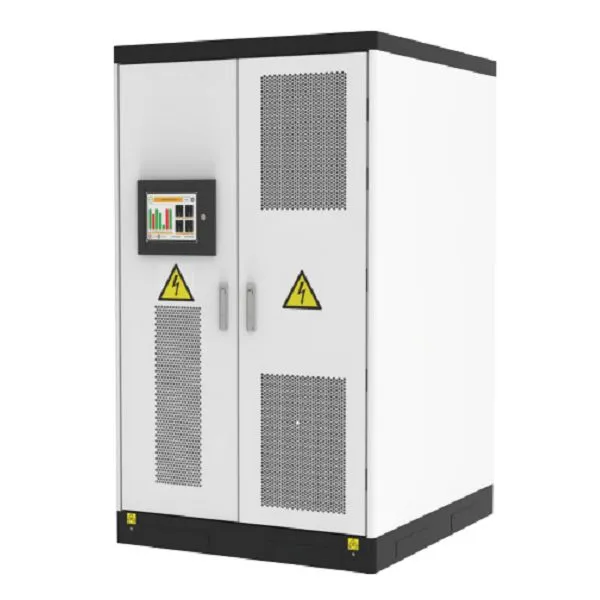
If you are interested in our sodium nickel products or have any questions about surface - modified sodium nickel, please feel free to contact us for procurement and further technical discussions. We look forward to establishing a long - term and mutually beneficial cooperation with you.
References
- Tarascon, J. M., & Armand, M. (2001). Issues and challenges facing rechargeable lithium batteries. Nature, 414(6861), 359 - 367.
- Goodenough, J. B., & Kim, Y. (2010). Challenges for rechargeable Li batteries. Chemistry of Materials, 22(3), 587 - 603.
- Bruce, P. G., Freunberger, S. A., Hardwick, L. J., & Tarascon, J. M. (2012). Li - ion battery materials: present and future. Materials Today, 15(11), 36 - 49.