
 Italiano
 Español
 Türkçe
 عربي
عربي  日本語
日本語 русский
  Français
 Deutsch
 Việt Nam
 Português
 한국어
한국어 简体中文
简体中文 Čeština
 ไทย
ไทย Eesti
Eesti Gaeilgenah Éireann
 Bai Miaowen
 íslenska
 Cymraeg
 Български
 اردو
اردو Polski
 hrvatski
 українська
 bosanski
 فارسی
فارسی Lietuvių
 Latviešu
 עברית
עברית România limbi
 Ελληνικά
 dansk
dansk magyar
 Norsk
Norsk suomi
suomi Nederlands
 Svenska
 slovenčina
 slovenščina
 हिंदी
हिंदी Indonesia
 Melayu
 Malti
Malti Kreyòl Ayisyen
 Català
 বাংলা
বাংলা Srbija jezik (latinica)
 O'zbek
Electrode manufacturing is a critical aspect of battery production, especially when it comes to sodium nickel batteries. As a prominent sodium nickel supplier, I am well - versed in the intricate processes involved in creating high - quality electrodes for these batteries. In this blog, I will delve into the electrode manufacturing processes for sodium nickel in batteries, highlighting their significance and the key steps involved.
1. Raw Material Selection
The first and most fundamental step in electrode manufacturing is the selection of raw materials. For sodium nickel batteries, the key components are sodium, nickel, and various additives. Sodium is used as the anode material due to its high electrochemical activity and abundance. Nickel, on the other hand, is a crucial part of the cathode. High - purity nickel is preferred to ensure optimal battery performance.
We source our sodium from reliable suppliers who adhere to strict quality control standards. The nickel we use is also of the highest grade, which has a direct impact on the battery's energy density and cycle life. Additives such as metal oxides are carefully selected to enhance the battery's stability and performance. These additives can improve the ionic conductivity of the electrodes and prevent unwanted side reactions during charging and discharging.
2. Mixing and Blending
Once the raw materials are selected, they need to be mixed and blended thoroughly. This step is essential to ensure a homogeneous distribution of the components in the electrode material. We use advanced mixing equipment to achieve a consistent mixture.
The sodium and nickel powders, along with the additives, are placed in a high - speed mixer. The mixing process is carefully controlled in terms of time, speed, and temperature. A proper mixing time is required to ensure that all the particles are well - dispersed, and there are no agglomerates. The temperature during mixing is also crucial as it can affect the chemical properties of the materials. For example, if the temperature is too high, some of the additives may decompose, leading to a decrease in battery performance.
3. Electrode Coating
After the mixing and blending process, the next step is electrode coating. This involves applying the electrode material onto a current collector. The current collector is usually a thin metal foil, such as aluminum or copper, which provides electrical conductivity and mechanical support to the electrode.
We use a coating machine to apply a uniform layer of the electrode material onto the current collector. The thickness of the coating is carefully controlled, as it can significantly affect the battery's performance. A thicker coating may increase the battery's capacity, but it can also lead to slower ion diffusion and reduced power density. On the other hand, a thinner coating may improve the power density but reduce the overall capacity.
4. Drying and Calendering
Once the electrode material is coated onto the current collector, the coated electrode needs to be dried. Drying is a crucial step to remove any solvents or moisture from the electrode material. We use a drying oven to dry the electrodes at a controlled temperature and humidity.
After drying, the electrodes are calendered. Calendering is a process of pressing the electrodes between two rollers to improve their density and smoothness. This step helps to enhance the contact between the electrode material and the current collector, which in turn improves the battery's electrical conductivity.
5. Assembly and Packaging
The final steps in electrode manufacturing for sodium nickel batteries are assembly and packaging. The coated and calendered electrodes are assembled into a battery cell along with a separator and an electrolyte. The separator is a porous material that prevents short - circuits between the anode and the cathode while allowing the passage of ions.
The electrolyte is a solution that contains sodium ions and other additives. It plays a crucial role in the electrochemical reactions that occur during charging and discharging of the battery. After the assembly, the battery cells are packaged in a suitable casing to protect them from external damage and environmental factors.
Applications of Sodium Nickel Batteries
Sodium nickel batteries have a wide range of applications. One of the notable applications is in the Durathon UPS System. These batteries can provide reliable backup power in case of power outages, ensuring the continuous operation of critical equipment.
The Durathon Battery E1205 is another product that utilizes sodium nickel battery technology. It is designed for various industrial and commercial applications, offering high energy density and long cycle life.
The Durathon Energy system ES200kWh is a large - scale energy storage solution that uses sodium nickel batteries. It can store a significant amount of energy and can be used for grid - scale energy storage, helping to balance the supply and demand of electricity.
Advantages of Our Sodium Nickel Batteries
As a sodium nickel supplier, we take pride in the quality and performance of our batteries. Our sodium nickel batteries offer several advantages. Firstly, they have a high energy density, which means they can store more energy in a smaller space compared to some other types of batteries. This makes them suitable for applications where space is limited.

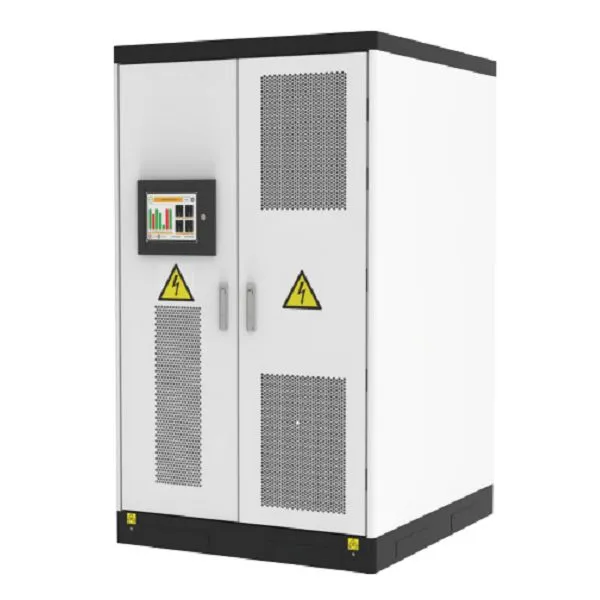
Secondly, our batteries have a long cycle life. They can withstand a large number of charging and discharging cycles without significant degradation in performance. This reduces the need for frequent battery replacements, resulting in cost savings for the users.
Thirdly, sodium nickel batteries are environmentally friendly. Sodium is an abundant element, and our manufacturing processes are designed to minimize waste and pollution.
Contact for Procurement
If you are interested in our sodium nickel batteries or want to learn more about our electrode manufacturing processes, we encourage you to contact us for procurement and further discussions. Our team of experts is ready to assist you in finding the right battery solutions for your specific needs. Whether you are looking for batteries for a small - scale application or a large - scale energy storage project, we have the expertise and products to meet your requirements.
References
- "Battery Technology Handbook" by David Linden
- "Electrochemical Energy Storage" by John B. Goodenough and Yutaka Tsukada
- Research papers on sodium nickel battery technology published in leading scientific journals such as "Journal of Power Sources" and "Electrochimica Acta"