
 Italiano
 Español
 Türkçe
 عربي
عربي  日本語
日本語 русский
  Français
 Deutsch
 Việt Nam
 Português
 한국어
한국어 简体中文
简体中文 Čeština
 ไทย
ไทย Eesti
Eesti Gaeilgenah Éireann
 Bai Miaowen
 íslenska
 Cymraeg
 Български
 اردو
اردو Polski
 hrvatski
 українська
 bosanski
 فارسی
فارسی Lietuvių
 Latviešu
 עברית
עברית România limbi
 Ελληνικά
 dansk
dansk magyar
 Norsk
Norsk suomi
suomi Nederlands
 Svenska
 slovenčina
 slovenščina
 हिंदी
हिंदी Indonesia
 Melayu
 Malti
Malti Kreyòl Ayisyen
 Català
 বাংলা
বাংলা Srbija jezik (latinica)
 O'zbek

AMPower Welcomes Antarctic Research Delegation for Technical Exchange
On May 21, 2026, an expert delegation from an Antarctic research station, organized by the Science and Technology Bureau, visited Zhejiang AMPower Co., Ltd. for a dedicated technical inspection and exchange. The visit aimed to evaluate the company's core technologies and product application capabilities, with a focus on the performance, competitive advantages, and application potential of its Durathon sodium nickel chloride battery technology.
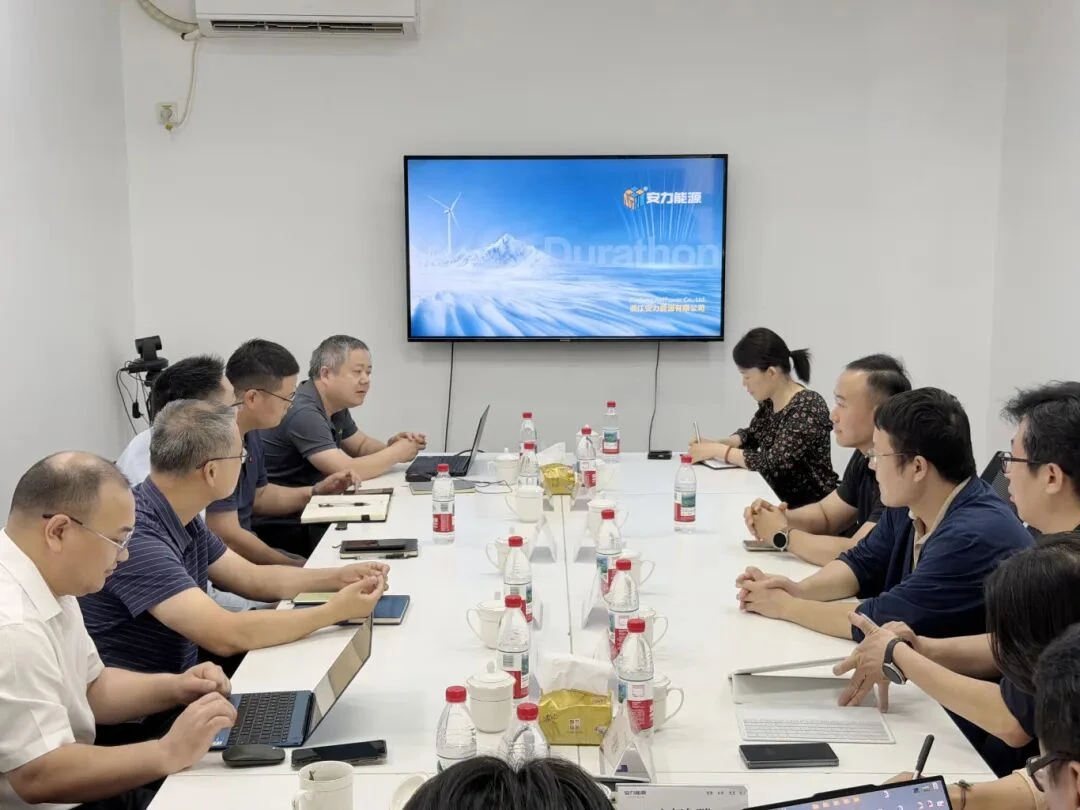
During the meeting, AMPower presented a comprehensive overview of its flagship Durathon battery system, including its technical architecture, key performance strengths, and targeted application sectors. As a specialized provider of high-performance energy storage solutions, AMPower remains committed to innovation, with a strong emphasis on wide-temperature adaptability and high safety reliability. The company continues to address critical energy challenges in extreme and demanding environments.

Designed to meet the rigorous requirements of polar regions and other remote, harsh environments, AMPower's sodium-based battery solutions offer exceptional stability and resilience. With capabilities such as reliable operation across a wide temperature range, full lifecycle safety control, and flexible customization, the technology demonstrates strong suitability for applications including polar research energy systems.
During the facility tour, the delegation gained in-depth insights into AMPower's core technologies, including advanced material systems, innovative cell design, and high-temperature electrochemical operation. The experts also reviewed key aspects such as raw material selection, solid-state electrolyte application, and the company's standardized manufacturing and quality control processes. These capabilities highlight AMPower's strong in-house R&D expertise and robust production management system.

The visit represents a strong endorsement of AMPower's technology pathway, product performance, and potential for deployment in extreme environments. It also establishes a solid foundation for future collaboration in high-end energy storage applications, particularly in support of polar research and other specialized energy demands.